A shipment of apples or cherries can be flawless in quality and still get held up at destination customs — over one missing piece of paper. That paper is usually the phytosanitary certificate. Here's exactly what it is, who issues it in Iran, and how to get it without delaying your shipment.
The precise definition
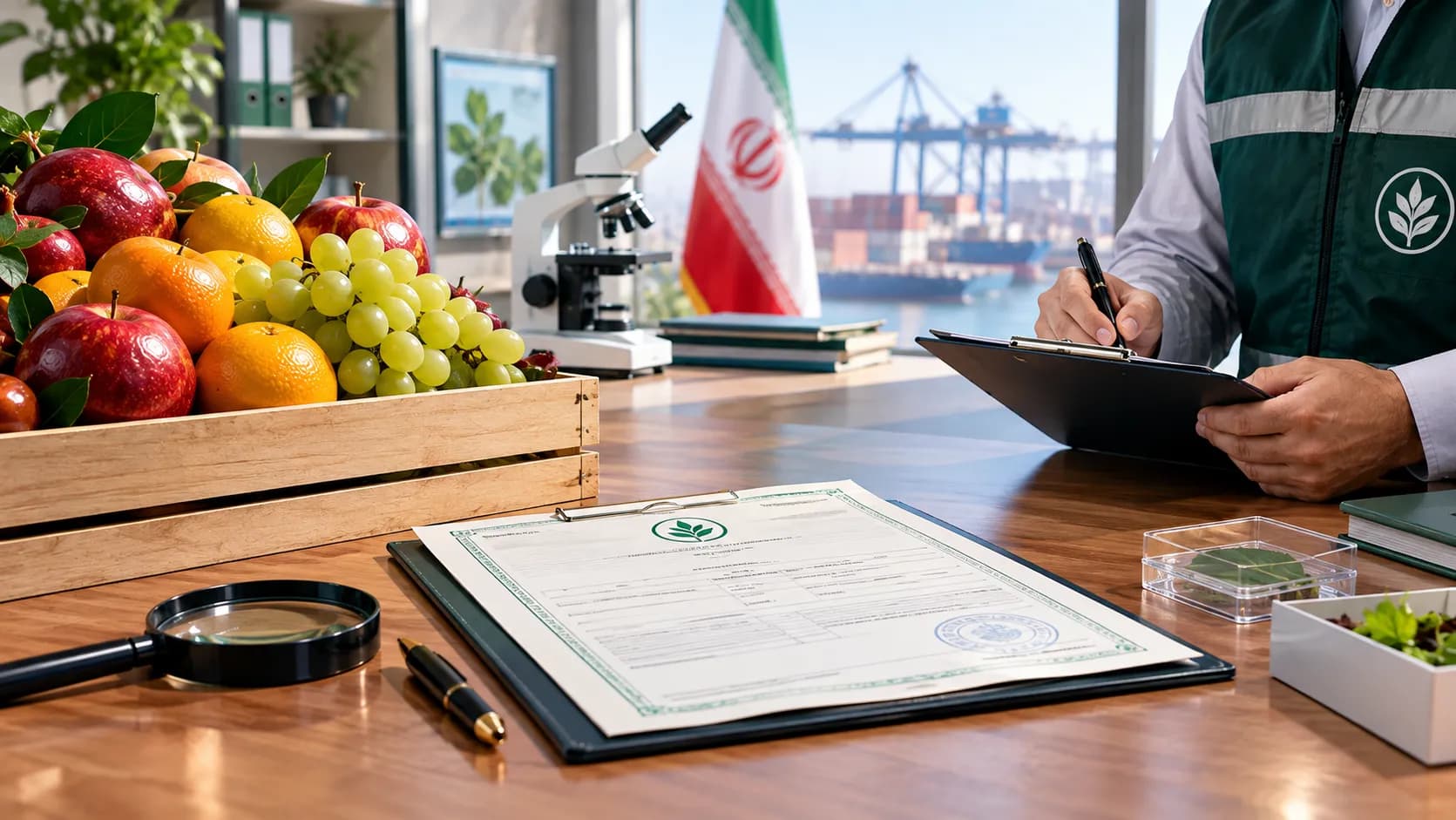
A phytosanitary certificate is an official document confirming that a consignment of plants or plant products meets the importing country's plant-health requirements and is free of quarantine pests and diseases. It's issued under the standards of the International Plant Protection Convention (IPPC), specifically ISPM 12, and can only be issued by the National Plant Protection Organization of the exporting country — never by a private company.
Who issues it in Iran
In Iran, the issuing authority is the Plant Protection Organization, operating under the Ministry of Jihad-e-Agriculture. That means a phytosanitary certificate is always a government-issued document. If anyone claims they can issue one outside this organization, that certificate has no legal standing.
How the process works
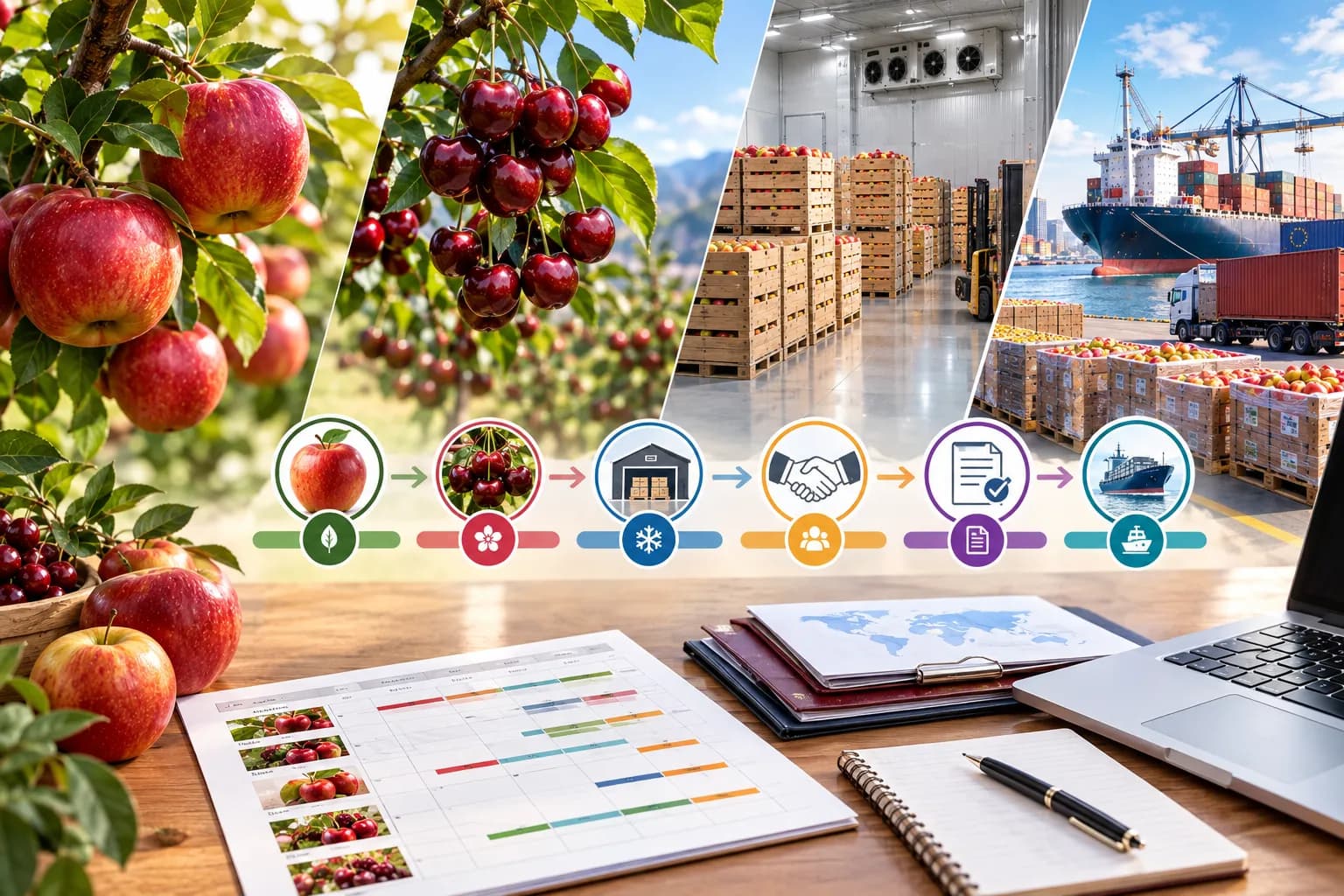
1. Application: the exporter applies to the regional office of the Plant Protection Organization, providing the shipment's details — product type, quantity, origin, and destination country.
2. Inspection: a quarantine officer inspects the consignment at the orchard, warehouse, cold storage facility, or loading site to confirm it's healthy.
3. Treatment if needed: if a pest is found, the shipment must be disinfected or fumigated, and a separate treatment certificate is issued.
4. Final certificate: once the shipment is confirmed healthy, the certificate is issued on the standard international model (ISPM 12).
How long does it take
Depending on the product and the regional office's inspection workload, this can take anywhere from a few days to a few weeks. It's worth starting the process at least one to two weeks before the actual loading date, so that any treatment or re-inspection doesn't delay the shipping schedule.
Why this document matters so much
Importing countries rely on this certificate to keep unknown plant pests and diseases out of their territory. Without it, destination customs won't clear the shipment — even if every other document, like the invoice and certificate of origin, is in order.
Common mistakes that cause problems
Too long a gap between certificate issuance and actual loading: many destination countries treat the certificate as valid only for a limited window from its issue date.
Mismatch with the commercial invoice: product type, weight, and package count need to match the invoice and packing list exactly.
Ignoring destination-specific pest requirements: some countries require specific pest declarations on the certificate — confirm this with the Plant Protection Organization before inspection, not after.
Where Oriex fits in
One reason international buyers hesitate to deal directly with unknown Iranian sellers is uncertainty over exactly this kind of paperwork. Oriex checks that a seller's phytosanitary certificate and other export documents are in order as part of onboarding, so buyers can transact with more confidence. If you export fruit, take a look at signing up on Oriex.